Is a bounced cheque still a crime in the UAE?
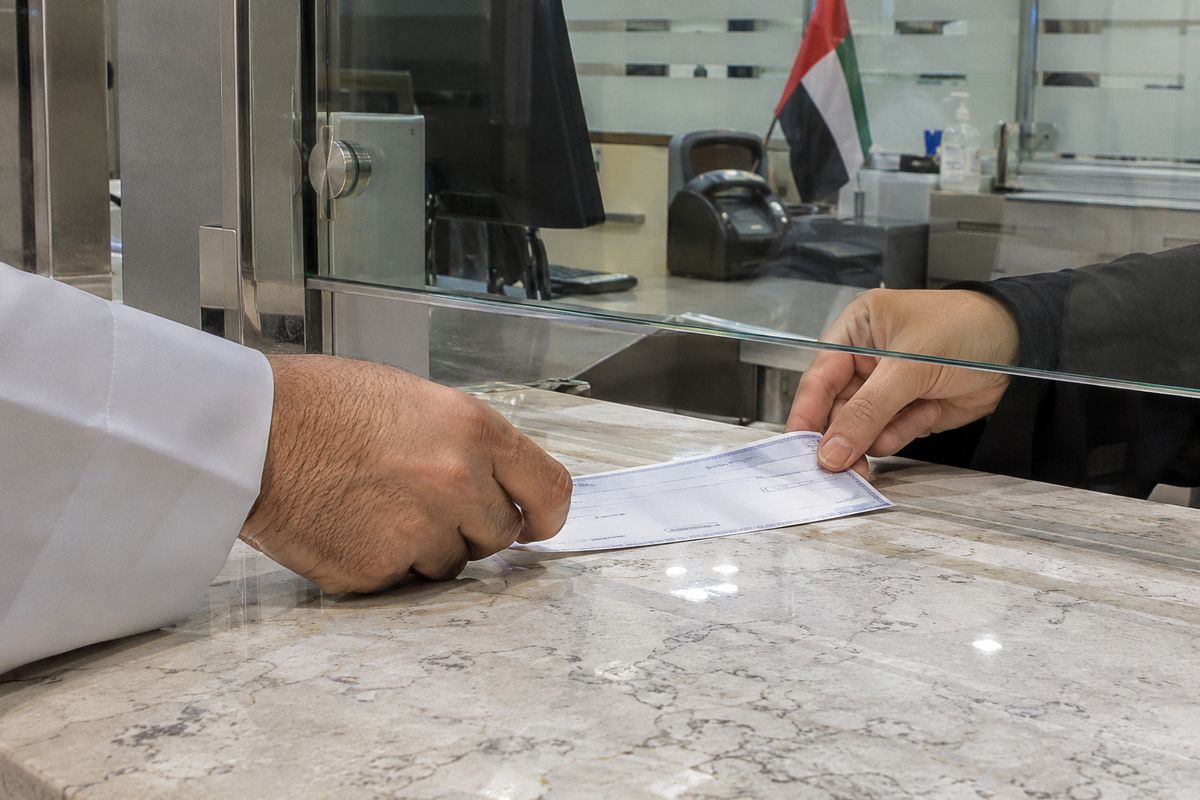
No, not on its own. Since 2 January 2022, issuing a cheque that bounces for insufficient funds is not a criminal offence in the UAE. What remains criminal is a list of bad-faith acts, such as closing or emptying the account, stopping payment, signing so the cheque cannot be paid, and forgery (Articles 673–677, Federal Decree-Law No. 50 of 2022). A bounced cheque is now an enforcement title: the holder can go straight to execution without a lawsuit (Article 667).
What changed, and when
| Cheque dated | Offence provisions | Direct enforcement |
|---|---|---|
| Before 2 January 2022 | Penal Code (Federal Law No. 3 of 1987), Article 401: bad-faith cheque without sufficient funds | No |
| 2 January 2022 – 1 January 2023 | Articles 641 bis (1)–(4) of the old Commercial Transactions Law, added by Federal Decree-Law No. 14 of 2020 | Article 635 bis |
| From 2 January 2023 | Articles 673–677 of Federal Decree-Law No. 50 of 2022 | Article 667 |
Federal Decree-Law No. 14 of 2020 repealed Articles 401–403 of the old Penal Code from 2 January 2022. The remaining cheque offences are now in Articles 673–677 of the Commercial Transactions Law. For historical conduct, identify when the relevant act occurred and consider the more-favourable-law rule in Article 14 of the Crimes and Penalties Law.
What is still a crime
- Article 675 (imprisonment of six months to two years and/or a fine of at least 10% of the cheque's value, no less than AED 5,000 and no more than double the cheque's value; doubled for repeat offences): stopping payment of your own cheque outside the permitted cases; closing the account, withdrawing the whole balance or deliberately getting it frozen before the cheque is presented; deliberately drawing or signing the cheque so it cannot be paid. This is where most prosecutions are.
- Article 674 (fine of at least 10% of the cheque's value, no less than AED 1,000 and no more than the cheque's value; doubled for repeat offences): knowingly endorsing or handing over a bearer cheque that is not covered.
- Article 676 (at least one year's imprisonment and AED 20,000–100,000): forging a cheque or knowingly using a forged one. Article 677 raises the penalty for forgery with a terrorist purpose.
- Article 673 (fine of at least 10% of the cheque's value, no less than AED 5,000 and no more than double the cheque's value): mainly conduct by banks and false statements about the funds available, such as a bank refusing in bad faith to pay a covered cheque.
Article 675 addresses the specified acts involving the account or cheque. Calling a cheque “security” does not remove the need to assess those statutory elements.
For the offences in Articles 674 and 675, paying the full or outstanding value of the cheque before enforcement starts, or settling or paying before a final judgment, ends the criminal case. Settling after a final judgment suspends the penalty (Article 684).
The civil route: enforcing the cheque directly
A cheque that the bank has marked as unpaid for no or insufficient balance is an executive instrument (Article 667). The holder applies to the execution judge, as under the Civil Procedure Law (Federal Decree-Law No. 42 of 2022), without first suing. The debtor is served with a demand to pay within seven days. The debtor can file an objection, which the execution judge decides.
- For every execution application, keep the original cheque and the bank’s dated return statement identifying the precise reason for non-payment. That reason matters when assessing Article 667.
- For a return reason such as a frozen account, check the bank’s precise notation and the execution requirements. Article 667 expressly addresses non-payment for no or insufficient balance. An execution dispute may require the court to decide the effect of another return reason.
- For a cheque given as security, identify whether the secured debt is due and whether there is a legally available execution objection. Article 667 provides the execution route, and Article 667(2) refers disputes to the Civil Procedures Law.
- Present a cheque within six months of its date. Article 670(1) generally bars the holder’s recourse against the drawer, endorsers and other obligors two years after the presentment period expires, upon denial and without a lawful excuse. Article 670(4) excludes claims against a drawer who never provided cover or withdrew it in whole or part, and against obligors who obtained an illegal gain. Also check interruption of time under Article 672.
The civil and criminal routes run in parallel: a criminal complaint does not stop enforcement (Article 682).
Sources
- Federal Decree-Law No. 50 of 2022 issuing the Commercial Transactions Law: Articles 630, 667, 673–684
- Federal Decree-Law No. 31 of 2021 issuing the Crimes and Penalties Law
- Federal Decree-Law No. 14 of 2020 amending the Penal Code and the Commercial Transactions Law
- Federal Decree-Law No. 42 of 2022 issuing the Civil Procedure Law
Questions
Can you go to jail for a bounced cheque in the UAE?
Not for insufficient funds alone, since 2 January 2022. Imprisonment remains possible for closing or emptying the account before presentment, stopping payment, deliberately drawing the cheque so it cannot be paid (Article 675), and forgery (Article 676).
What can I do if a cheque I received bounced?
Take the cheque with the bank's return note to the execution judge and enforce it directly as an executive instrument under Article 667 of Federal Decree-Law No. 50 of 2022, without filing a lawsuit first.
Is a security cheque enforceable in the UAE?
Article 667 provides direct execution for a cheque bearing the required bank statement. A security arrangement or an unmatured underlying obligation may be relevant to an execution dispute under the Civil Procedures Law. Closing the account can separately fall within Article 675.
Does paying the cheque end the criminal case?
For offences under Articles 674 and 675, yes: paying the full or outstanding value before enforcement starts, or settling or paying before a final judgment, ends the case (Article 684).
How we researched this: the original research was run in AlQuanun on 11 November 2026. On 19 November we rechecked the statutory execution route, limitation exceptions and offences against Articles 667 and 670–684 of the official Commercial Transactions Law. The discussion above is based on the legislation.